How To Catch Crappie
Crappie fishing gets much easier when you stop guessing at lures and start solving three things in order: where the fish are holding, what depth they are using, and how slowly or quickly they want the bait moving. This guide walks through the complete process for lakes, reservoirs, rivers, ponds, docks, brush, and open water.
A crappie will not cross half the lake for the perfect color. Find fish first, then fine-tune the presentation.
Crappie often suspend. Count a jig down, set a float precisely, or watch the bait on sonar instead of fishing every cast at one depth.
A lighter head, slower fall, shorter bait, brighter tail, or ten-second pause can turn follows and bumps into hooked fish.
Crappie Fishing In Plain English
Crappie are schooling predators that commonly feed on small minnows, young-of-year baitfish, insects, and other easy meals. They use brush, timber, docks, weed edges, bridge structure, channel changes, and open-water baitfish to find food and avoid danger. Some days they hold tight to cover. Other days they suspend several feet away from it.
The practical goal is not to memorize one magic spot. Learn what the season is asking the fish to do, identify the best available cover or structure at that depth, and present a small bait without moving it out of the strike zone too quickly.
How To Catch Crappie By Season
Seasonal timing changes by latitude, water type, weather, and water level. Use the calendar as a starting point, then let water temperature, baitfish, cover, and fish position confirm what stage you are actually seeing.
Spring
Staging areas to spawning coverStart on secondary points, channel swings, deeper dock ends, and brush near spawning pockets. As the water warms, move toward protected banks, shallow wood, docks, reeds, and other firm cover. A float-and-jig, slow cast, or vertical presentation keeps the bait in place.
Summer
Shade, brush, channels, and suspended schoolsFish docks with deeper water, submerged brush, standing timber, bridge columns, creek channels, and open-water baitfish. Early and late can be shallower; bright midday conditions often concentrate fish around shade or deeper structure.
Fall
Baitfish routes and feeding flatsCooling water can pull crappie toward creek arms, points, brush, docks, and flats connected to deeper water. Cover water with a small swimbait or minnow profile, then slow down once you contact a school.
Winter
Deep cover, channels, and stable waterLook for fish suspended around deep brush, timber, channel edges, bridge structure, or basin areas. Use a small profile, controlled fall, and long pauses. The bite may feel like extra weight rather than a hard strike.
Where To Find Crappie
The best crappie spots usually combine at least two useful features: cover plus depth, shade plus food, current plus an edge, or a spawning area connected to a deeper escape route. A single dock in featureless water may be empty. A dock beside a channel, brush pile, point, or creek mouth has more reasons to hold fish.
A Simple Crappie Setup
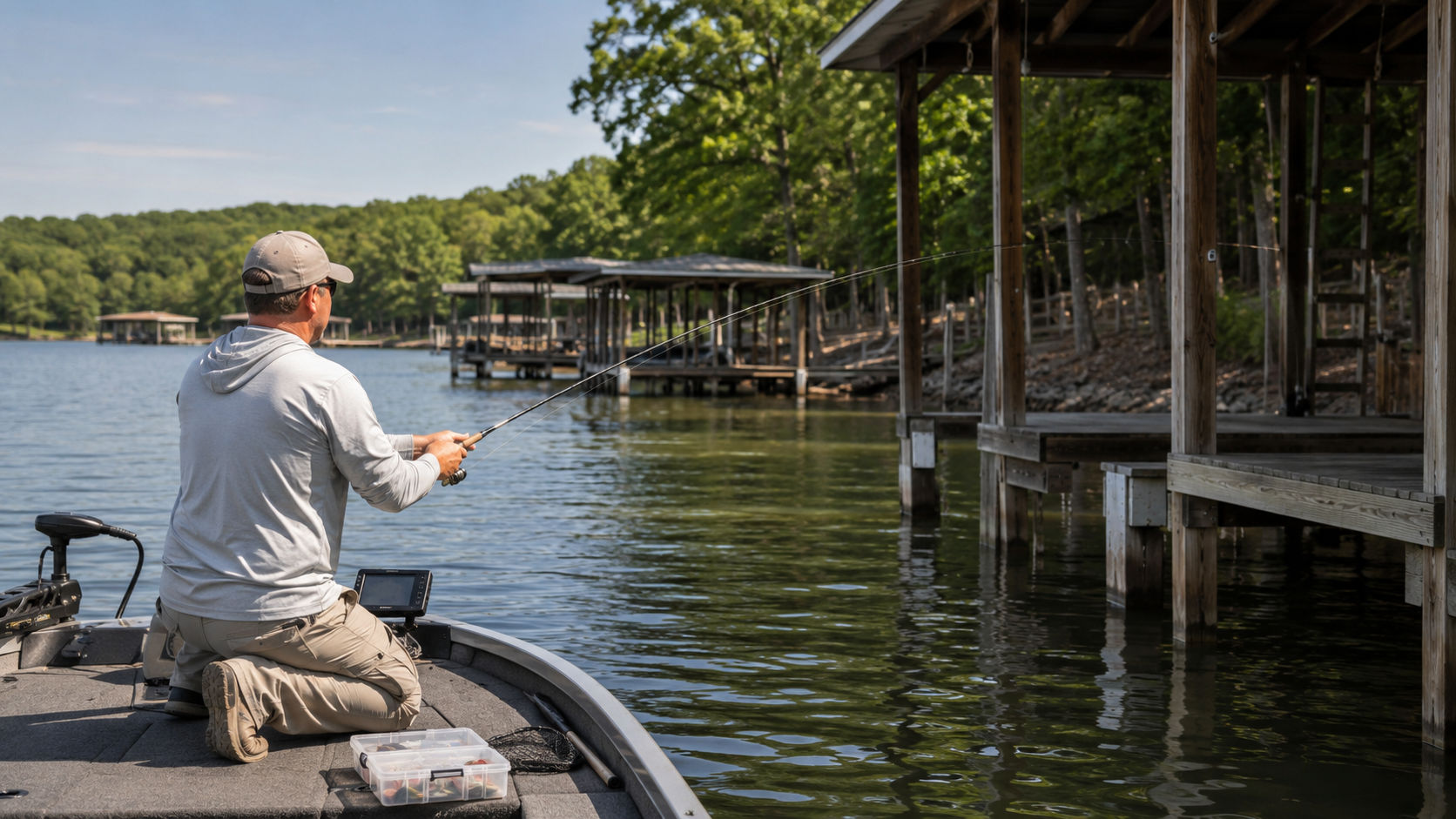
You do not need specialized equipment to begin. A light spinning setup makes small jigs easy to cast, protects light line, and provides enough sensitivity to detect soft bites. Keep the first setup versatile; add longer rods, dock-shooting rods, trolling gear, or dedicated electronics after you know which techniques fit your water.
How To Fish A Crappie Jig
The same small soft plastic can work several ways. Pick the method that gives you the best depth control around the cover, structure, wind, and fish position you are dealing with.
Float & Jig Basics
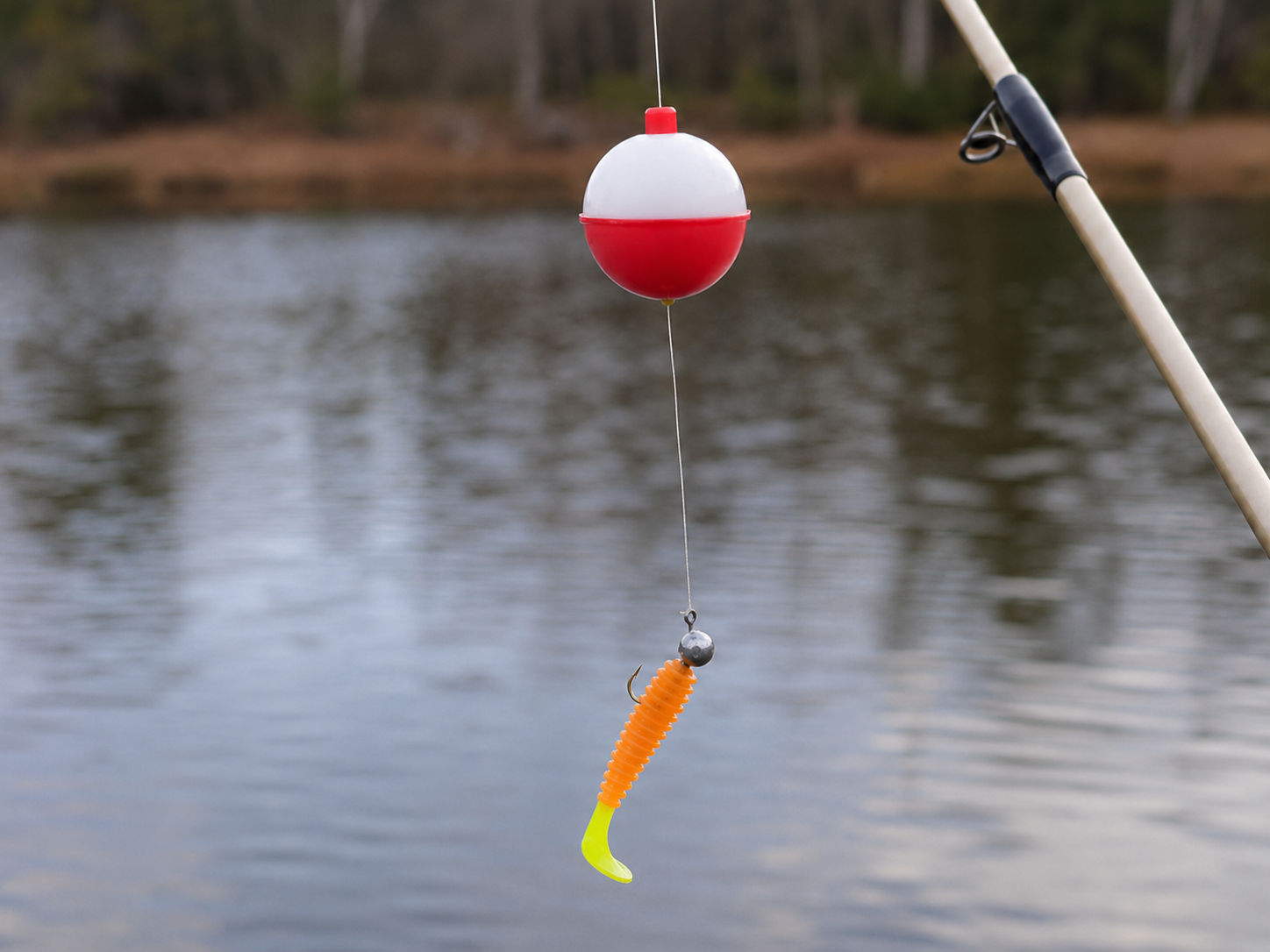
- Use a fixed float when the water is shallow enough to cast comfortably with the leader hanging below it.
- Use a slip float when the target depth is too deep for a practical fixed leader.
- Cast beyond the target, let the rig settle, then move it with short pulls followed by long pauses.
- Watch for the float to sink, tip sideways, move against the wind, or rise when a fish lifts the jig.
- Keep the float only large enough to support the jig; an oversized float adds resistance and hides light bites.
Cast past the target, count the jig down, then retrieve just fast enough to keep the tail working. Repeat the same count after a bite.
Lower the bait beside the boat, dock, brush, or timber and hold it steady. Small shakes and pauses usually beat large rod movements.
Place the jig under overhangs and walkways where ordinary casts cannot reach. Let it fall on controlled slack and watch the line closely.
Pull or push several baits at controlled speed to locate scattered fish. Once a productive depth and route emerge, repeat them precisely.
When crappie are close to bottom, use short hops, drags, or a slow pendulum fall. Avoid burying the jig in cover or silt.
Hold the bait nearly motionless when fish are cold, pressured, or following without committing. The water and boat still create subtle movement.
Best Crappie Bait Profiles To Start With
Build a small selection around different jobs instead of buying ten colors of the same shape. These four profiles cover most beginner and intermediate crappie situations.
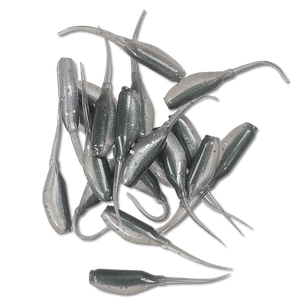
A natural starting point when crappie are feeding on small baitfish. Swim them, count them down, fish them under a float, or hold them beside brush.
Best all-around starting profileSubtle action works well in cold water, clear water, around pressured fish, and whenever a louder tail gets followed but not eaten.
Best for subtle presentationsExtra movement and vibration help cover water, track baitfish, and give crappie a clearer target in wind, clouds, or stained water.
Best for searching and swimmingCompact shapes work around brush, docks, weeds, beds, cold fronts, and fish feeding on insects or small non-minnow forage.
Best change-up profileCrappie Color Selection
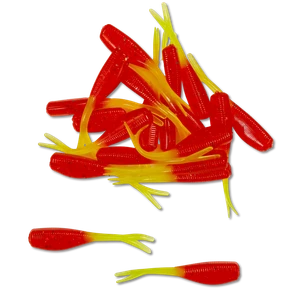
Color helps fish see, track, or commit to the bait, but it cannot fix the wrong depth or speed. Begin with one natural option, one bright option, and one strong contrast option. Let the fish decide whether they want realism, visibility, or silhouette.
How To Find Crappie With Sonar
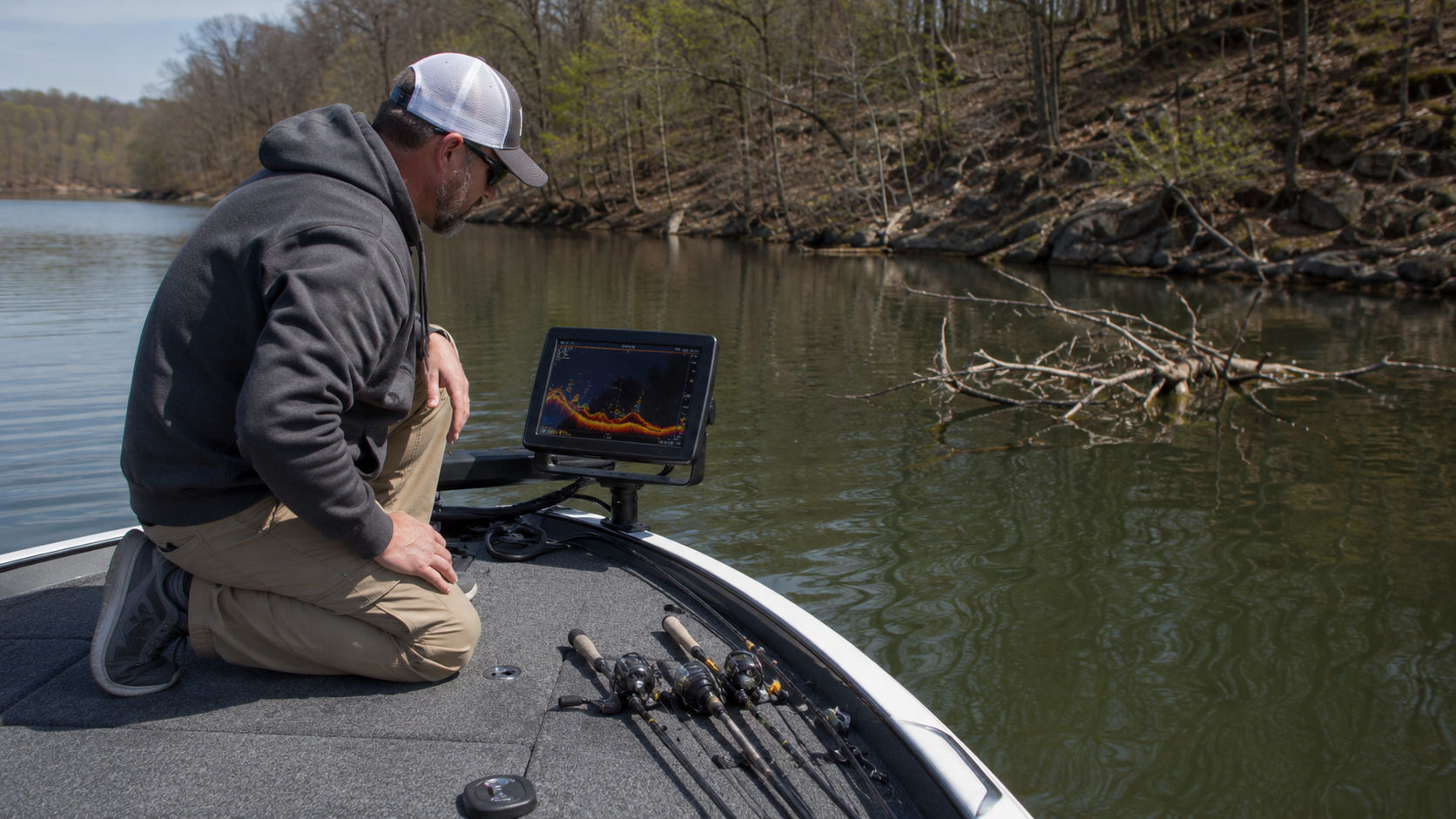
Electronics are most useful when they shorten the search. Idle before fishing, locate cover or baitfish, note the depth of the highest fish, mark the spot, and approach from a casting distance. You are not looking for a perfect television picture—you are looking for enough evidence to make the next cast with purpose.
Weather, Wind & Water Clarity
Conditions rarely make every crappie stop feeding. They usually change where the easiest fish are positioned and how accurately you need to present the bait.
Before You Make The Next Cast
- Note the exact depth, cover, retrieve, jig weight, profile, and color that produced the bite.
- Make the next cast to the same depth before changing anything—crappie often school tightly.
- Use steady pressure instead of a hard bass-style hookset; their mouths tear more easily.
- Keep fish you plan to release wet, minimize handling time, and support larger fish rather than hanging them by the jaw for long periods.
- Check current local fishing regulations, possession limits, size rules, and seasonal restrictions before keeping fish.
Crappie Fishing FAQ
Use these answers as starting points, then adjust to the depth, forage, water clarity, and seasonal stage in front of you.
What is the best bait for crappie?
A 1.5- to 2-inch soft plastic on a light jig head is one of the most versatile choices. Minnow and shad profiles are strong all-around starters, while subtle straight tails, active swimming tails, and compact bug profiles give you useful changes.
What size jig head should I use for crappie?
Start with 1/16 ounce. Move to 1/32 ounce for a slower fall or shallow, calm water, and to 1/8 ounce for deeper water, current, wind, or better contact. Use the lightest head that still gives you control.
What depth should I fish for crappie?
There is no single year-round depth. Begin around the best seasonal cover or structure, watch for baitfish and suspended fish, and test the water column. Keep the bait slightly above crappie whenever possible because they commonly feed upward.
What line is best for crappie fishing?
Four- to six-pound monofilament or fluorocarbon works well for most anglers. Thin braid with a light leader adds sensitivity and casting distance, but the visible leader and softer drag become more important around clear water and thin-mouthed fish.
Is a bobber good for crappie?
Yes. A float is one of the easiest ways to control depth and slow the bait. Use a fixed float for shallow water and a slip float for deeper targets. Choose the smallest float that supports the jig.
What is the best time of day to catch crappie?
Early morning and evening can be excellent, but crappie can be caught all day. Midday shade, deep brush, docks, bridge structure, and suspended schools often remain productive after the shallow bite slows.
When do crappie spawn?
Crappie generally move toward protected shallow cover as water warms in spring, but exact timing varies by latitude, weather, water level, and the individual waterbody. Follow staging fish from deeper travel routes toward spawning areas instead of relying on a date alone.
How do I catch crappie in summer?
Focus on deeper docks, submerged brush, standing timber, creek channels, bridges, and open-water baitfish. Use sonar when available, fish the top of cover first, and control depth carefully with a countdown, float, or vertical presentation.
What color crappie jig should I use?
Start natural in clear water, brighter or more contrasting in stained water, and with strong silhouettes or glow in muddy water and heavy shade. Depth and speed still matter more than color, so change those first when the bait is not reaching fish.
How can I find crappie without sonar?
Fish visible docks, brush, timber, weed edges, bridge pilings, channel banks, and windblown areas with nearby depth. Cover water until you catch one, then repeat the same depth and presentation because more fish are often close by.
The products below are selected as practical starting options for float fishing, casting, vertical jigging, docks, brush, and everyday crappie fishing. Choose a profile that matches the job, then add colors that cover natural, bright, and high-contrast conditions.